
Homeworld: Vast Reaches
Gameplay UI
I was the solo UX/UI designer on FarBridge’s development team for the first VR game in the Homeworld franchise. The majority of the project was spent working with engineers and other designers on the XR design for motion-controlled gameplay interactions like the camera controls and fleet management. I created 2D UI mockups Figma and Photoshop, wrote design documentation to guide the rest of the team’s work, and implemented UI elements in Unity’s canvas system.
FarBridge
~30
Apr 2023 - May 2025
Gearbox Software
Meta Quest 2, Meta Quest 3, Steam VR
Studio:
Team Size:
Timeline:
Publisher:
Platforms:
Challenge:
How do we offer the precision and granularity of a traditional RTS in a virtual reality context?
Genre Research:
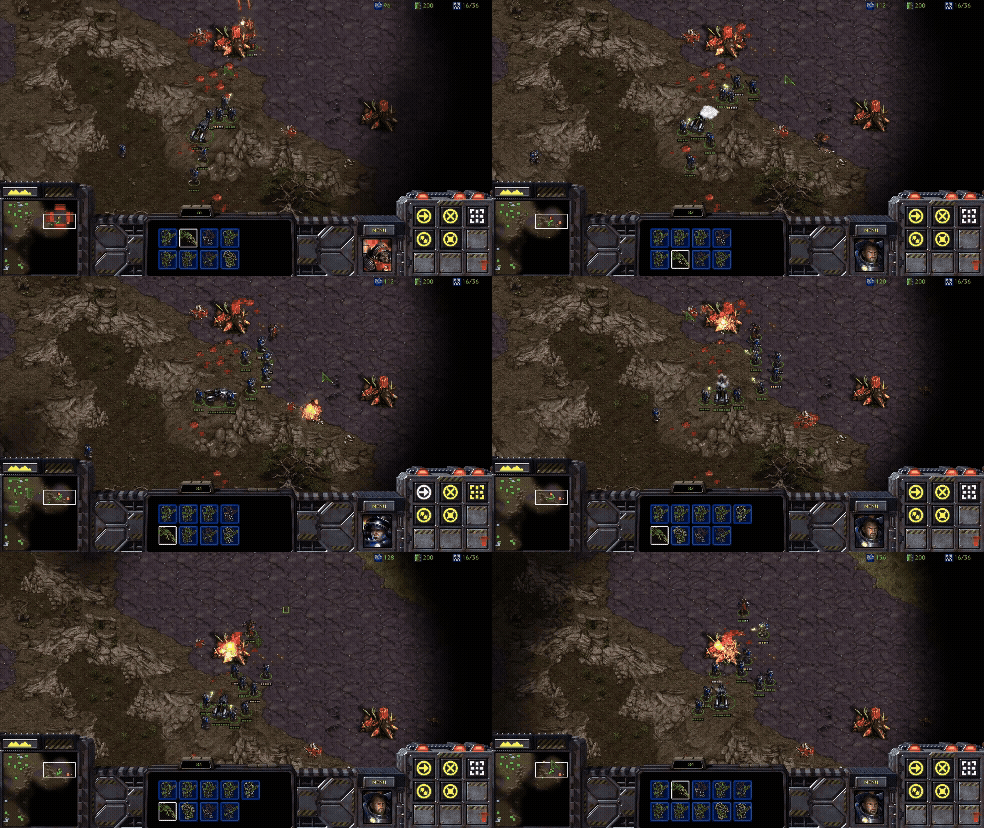
Foundational RTS games like Starcraft were a great starting point for our research, but it was equally important to look at games pushing the boundaries of the genre that could inspire different approaches to controls in VR.
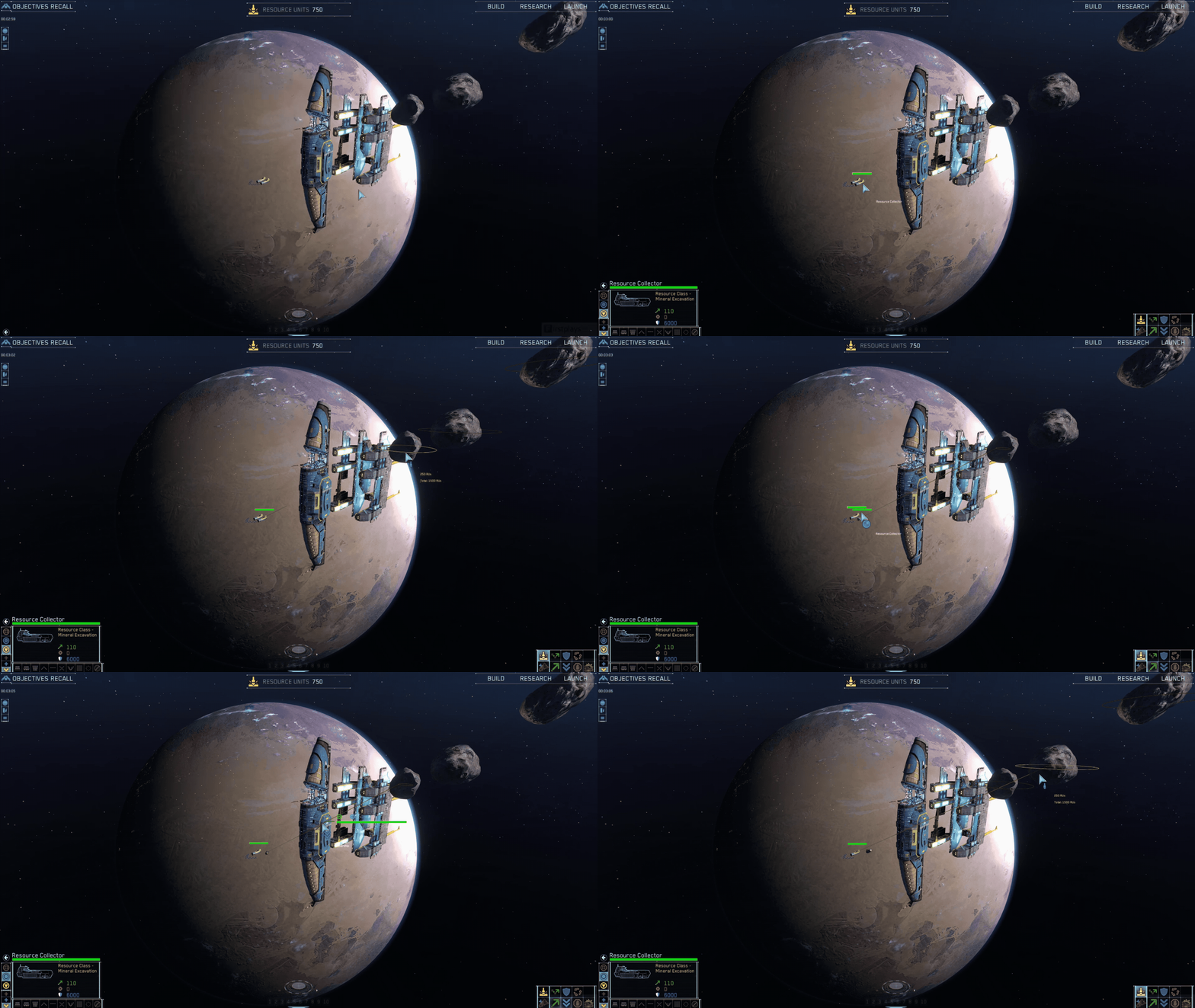
The original Homeworld game itself was experimenting with a 3D battlefield, which is what made the property a natural fit for VR.
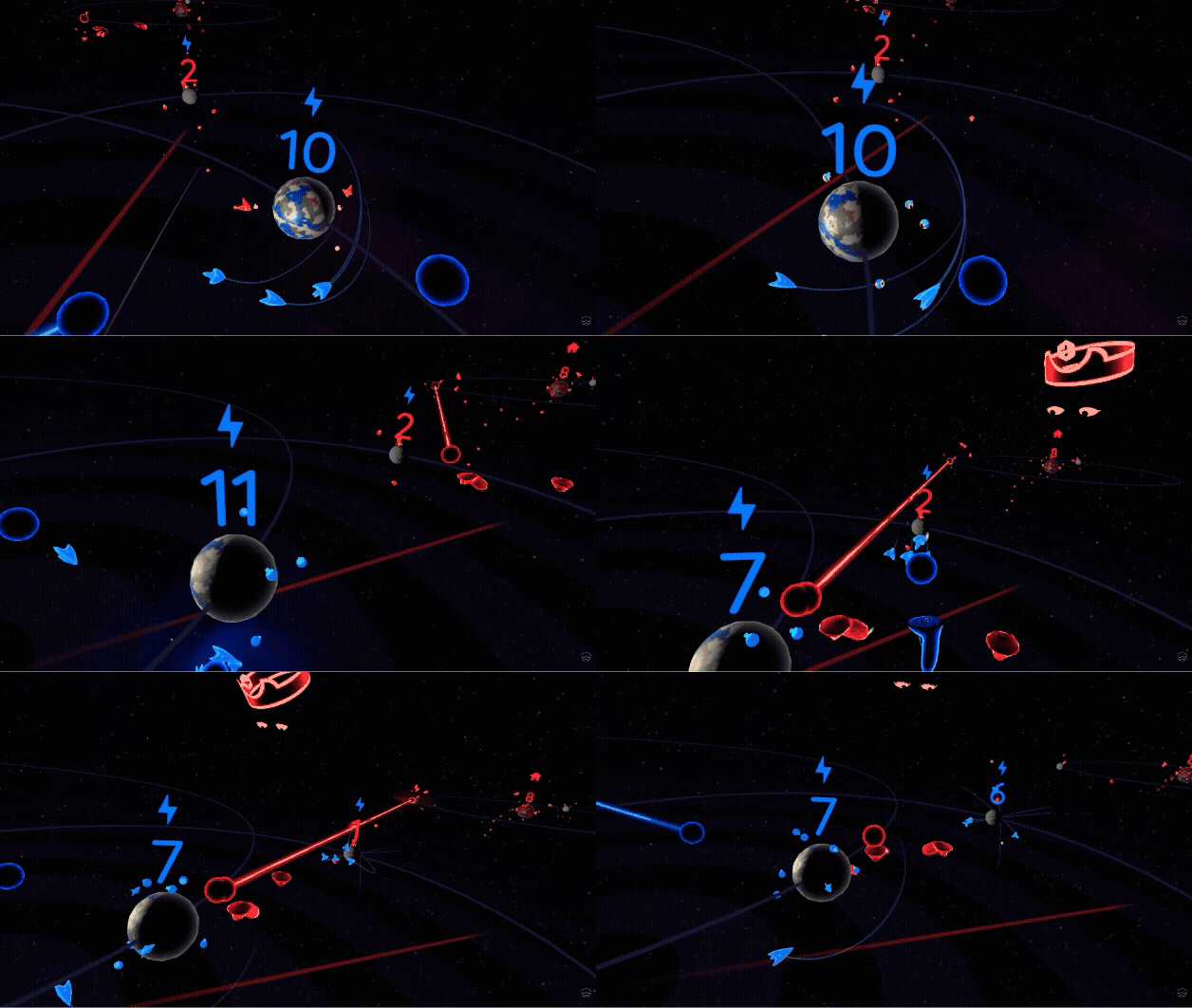
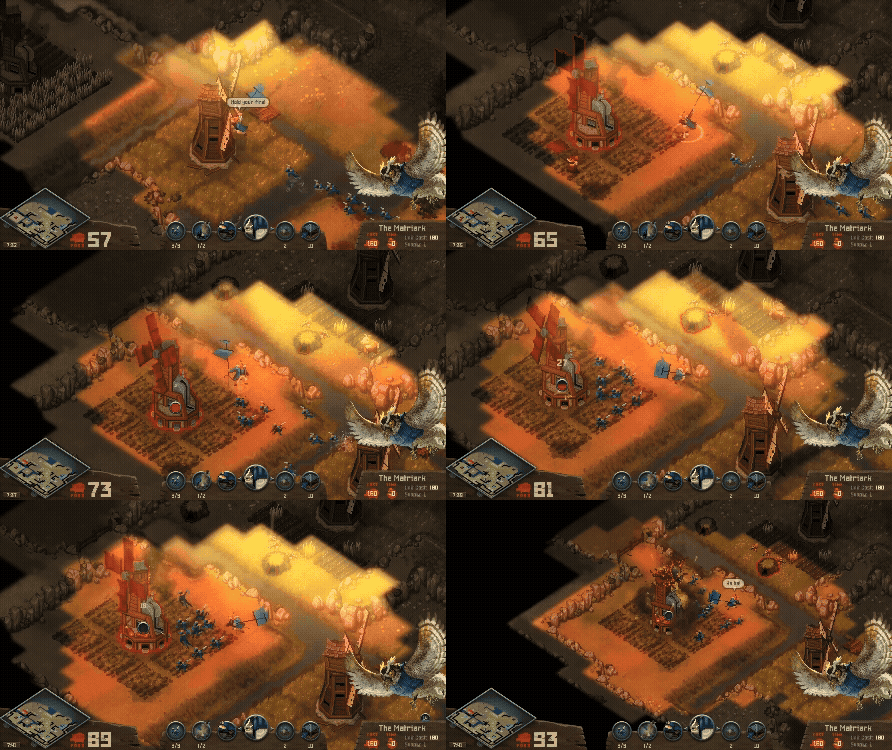
Tooth and Tail is more recent RTS on PC, where your mouse cursor is a literal mouse general on the battlefield leading your troops.
Gods of Gravity is a VR-exclusive RTS that scales down the complexity, opting to take advantage of the tactile and immersive nature of the platform instead.
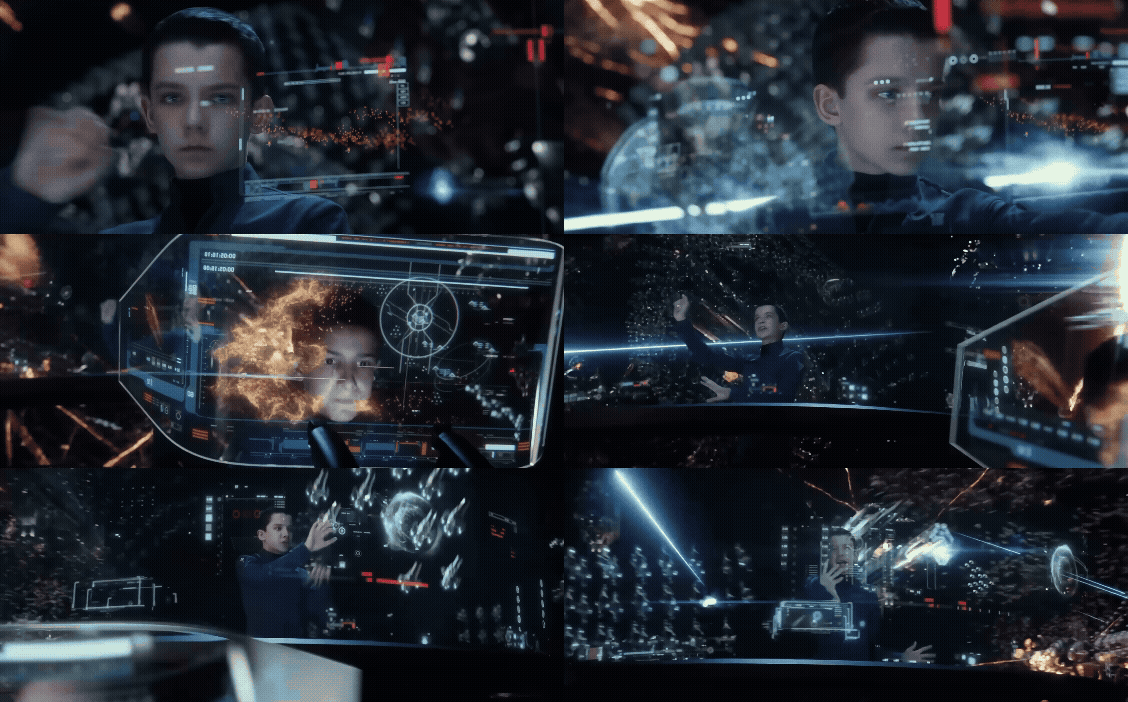
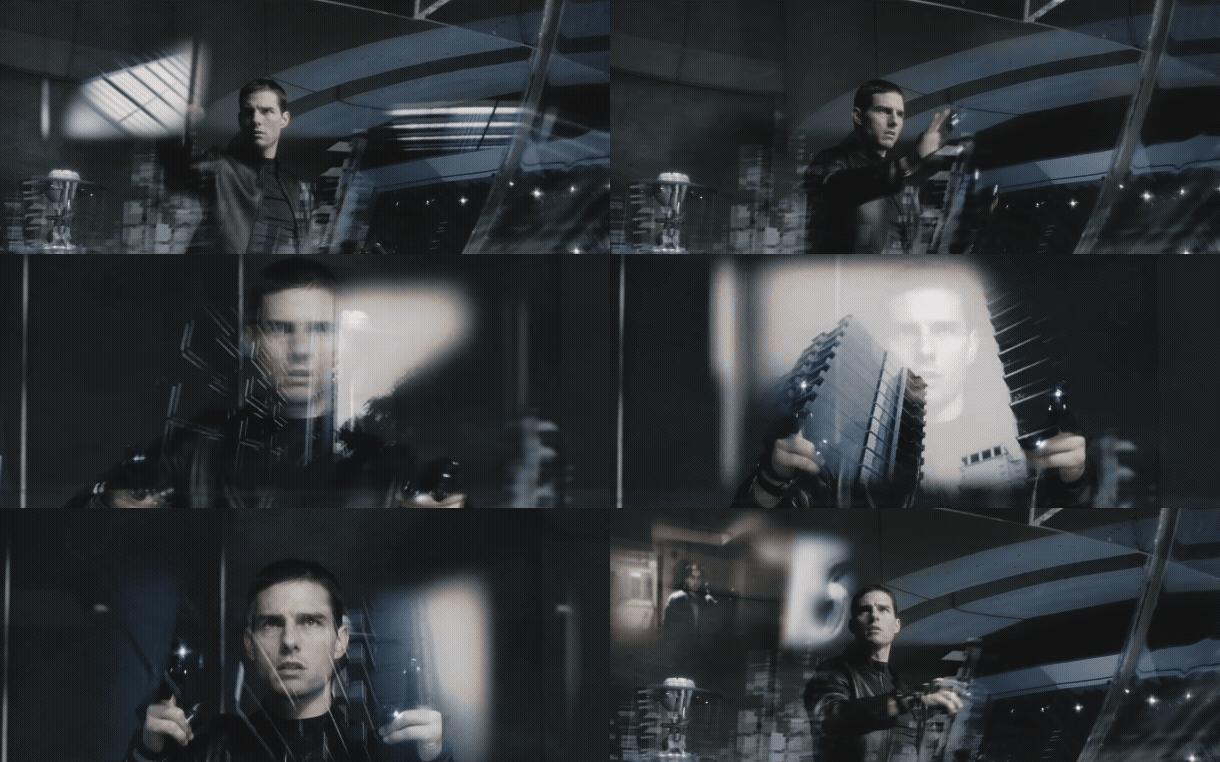
The stylized motion graphics of the interfaces found in sci-fi films like Ender’s Game and Minority Report also served as inspiration for the motion controls of the game. These references were useful visual and tonal targets, but introduced their own challenges, as VFX for film are often designed for style rather than practical functionality.
Pain Point:
It was too difficult to select and command individual ships with precision in real-time
Solution: The “strike group” mechanic was designed to keep ships in more manageable clusters. Strike groups also provided concentrated points for the player to interface with, regardless of distance between the player and ships.
Strike Group Selection State Documentation
Building Ships & Organizing Strike Groups
Dragging and dropping ships from a build panel into the strike groups and arranging them into formations was not only an opportunity to lean into more tactile interactions permitted by VR, it became a strategic element of the game and useful context for player communication.
Final Product
“…with Vast Reaches the shift to being fully immersive allows players to directly engage with the game's ships, displays and environments in a more intuitive and natural way, making battles feel more engaging.”